Custom UAV Propulsion Motors: Heavy Lift & Long Endurance Solutions
Engineer your next-generation drones with our high-efficiency outrunner BLDC motors. Built for industrial inspection, delivery platforms, and 10+ kg heavy-lift applications demanding absolute reliability.
- Maximized Flight Time: Up to 95% efficiency to extend critical mission endurance.
- Unmatched Payload Capacity: Industry-leading thrust-to-weight ratio for heavy lifting.
- Precision & Stability: Low vibration and high RPM stability for smooth aerial operation.
- Rapid Customization: Functional prototypes and low-volume production available fast.

Major Obstacles in Drone & UAV Motor Performance
Limited Flight Time & Range
Inefficient motors drain batteries quickly, restricting mission duration for mapping, delivery, or surveillance.
Inadequate Lift for Heavy Payloads
Standard motors lack the torque and thrust needed for heavy lift drone motors carrying cameras, sensors, or cargo.
Excessive Vibration & Instability
Cogging torque and imbalance cause shaky footage, reduced GPS lock, and premature component wear.
Overheating Under Continuous Load
Large drone motors overheat during prolonged high-thrust operations, triggering thermal throttling or failures.
Poor Thrust-to-Weight Balance
Heavy motors reduce agility and increase power consumption in multirotor and VTOL platforms.
Noise & EMI Interference
Loud operation and electromagnetic noise disrupt sensitive payloads like gimbals, radios, or companion computers.
Key Engineering Strengths of Our UAV Motors
Advanced features maximize thrust, endurance, stability, and payload capacity while keeping weight low and integration straightforward for professional and industrial drone platforms.
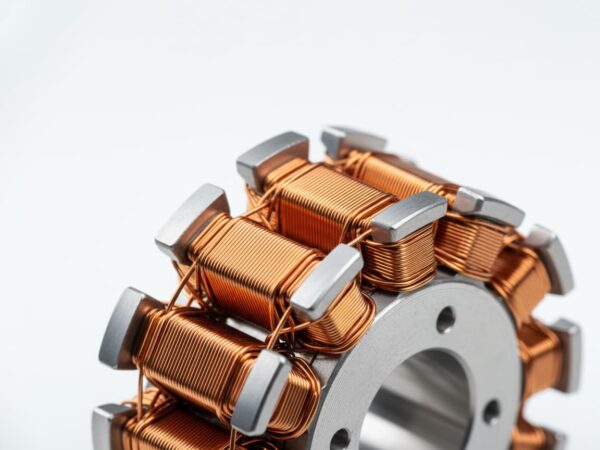
High Efficiency UAV Motors
Up to 95% peak efficiency converts more battery energy to thrust for longer missions on the same pack.
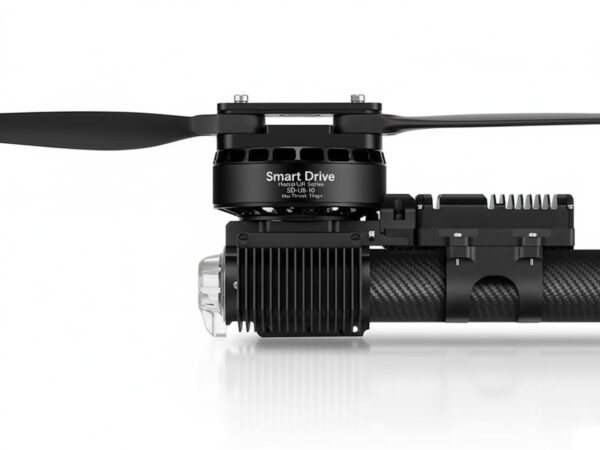
Heavy Lift Drone Motors
Exceptional torque density delivers 5–30 kg thrust per motor for large payloads in hexacopters and octocopters.
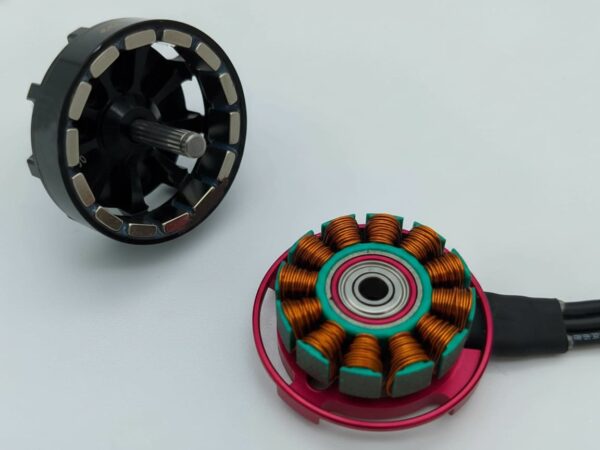
Low Cogging & Smooth Outrunner Performance
Skewed magnets and precision windings minimize torque ripple for clean video and precise control.
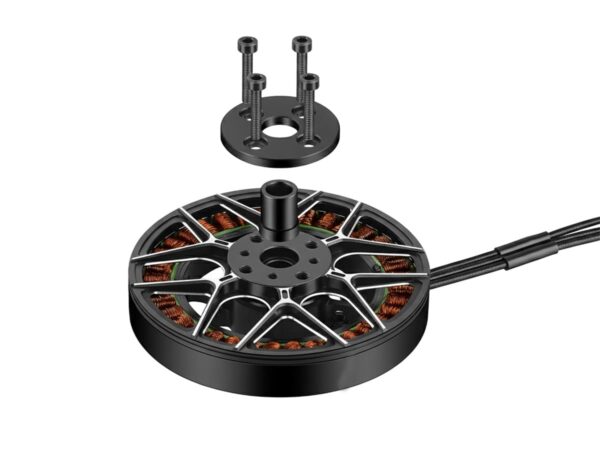
Lightweight Construction
High power-to-weight ratio (up to 12–15 kW/kg) keeps AUW low for better agility and efficiency.
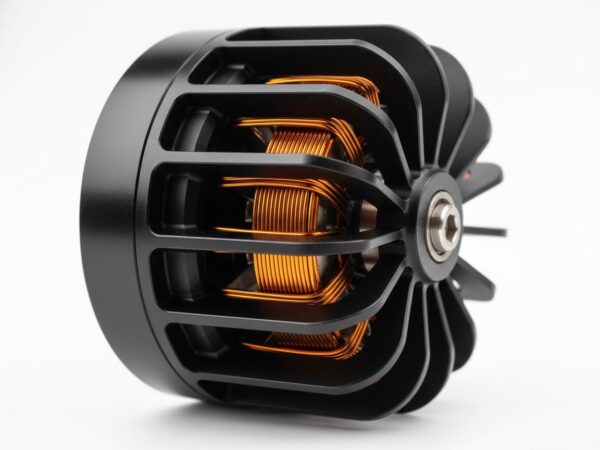
Robust Thermal Management
Advanced cooling paths, high-temp windings, and low-loss materials prevent overheating during extended flights.
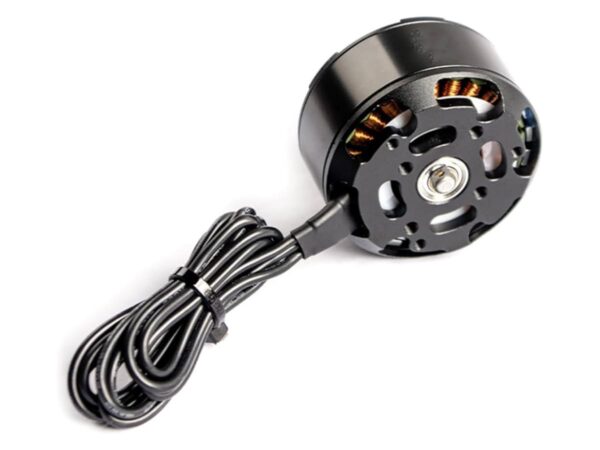
Low Vibration & EMI Design
Balanced rotors and shielded windings reduce noise and interference for gimbal stability and clean telemetry.
Typical Specifications for UAV Propulsion Motors
| Specs Name | Specs Value |
|---|---|
| Voltage | 12V–60V (6S–12S LiPo common) |
| Stator Diameter | 28–120 mm |
| KV Rating | 100–2800 KV |
| Peak Thrust | 1–30 kgf per motor |
| Continuous Power | 200W – 5,000W |
| Efficiency | 90–95% |
| Weight (motor only) | 50–850 g |
| Max RPM | 3,000 – 40,000 RPM |
| Vibration Level | <0.5 g RMS |
| Customization Lead Time | 7–14 days for functional samples |
Frequently Asked Questions About UAV Propulsion Motors
What thrust levels do your heavy lift drone motors support?
Up to 30 kgf per motor, enabling total payloads of 50+ kg on multirotor configurations.
How efficient are your high efficiency UAV motors?
Typically 90–95% peak, delivering 20–40% longer flight times compared to standard motors.
Are your motors suitable for outrunner brushless motors in large drones?
Yes — large stator options with high torque at low KV for stable hover and heavy loads.
How do you minimize vibration for gimbal stability?
Precision balancing, low-cogging design, and skewed magnets reduce vibration below 0.5 g RMS.
What battery voltages do you support?
12V–60V range (3S–12S LiPo), with 6S/48V most common for professional UAVs.
Can your motors handle long-duration flights?
Yes — low thermal rise and high efficiency support 30–60+ minute missions depending on payload.
What is the typical lead time for prototypes?
Functional samples ready in 7–14 days after spec confirmation.
Do you provide thrust test data and performance curves?
Yes — static thrust tables, power consumption graphs, thermal profiles, and efficiency maps included.